นักวิจัยผสมดีเอ็นเอกับหน่วยความจำพลังงานต่ำ Revolutionizing Memory: DNA-Based Low-Power Devices
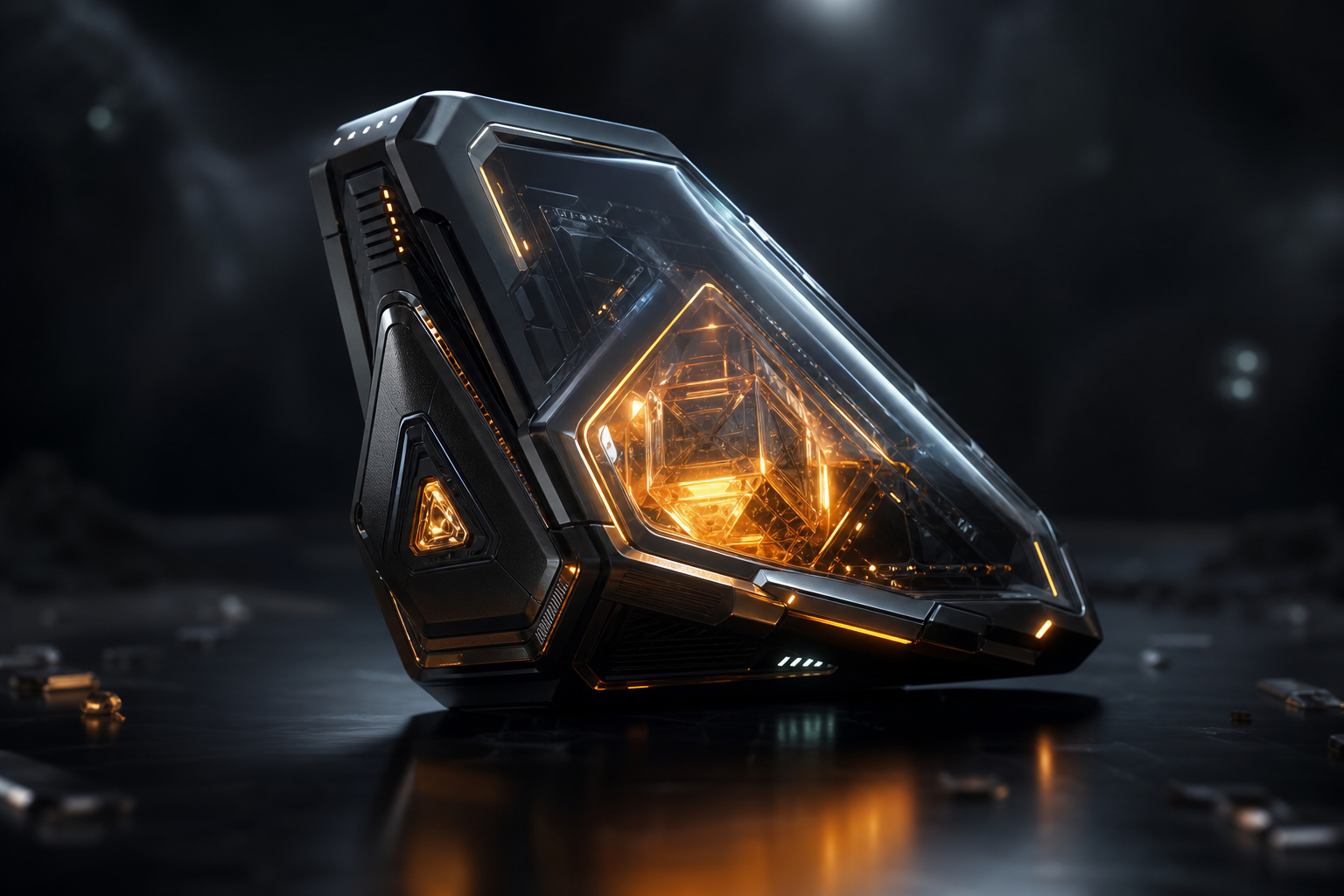
นักวิจัยพบวิธีใหม่ในการผสมผสานดีเอ็นเอกับอิเล็กทรอนิกส์เพื่อสร้างหน่วยความจำพลังงานต่ำ
Researchers develop a low-power memory device by integrating DNA with electronics
การเปลี่ยนแปลงอนาคตของหน่วยความจำ
นักวิจัยจาก Penn State ได้พัฒนาหน่วยความจำที่ใช้พลังงานต่ำอย่างเหลือเชื่อด้วยการรวมดีเอ็นเอสังเคราะห์เข้ากับสารกึ่งตัวนำโดยเรียกว่า "memristor" ซึ่งสามารถเก็บและประมวลผลข้อมูลในที่เดียวกัน
การพัฒนานี้อาจช่วยให้ AI และคอมพิวเตอร์รุ่นต่อไปประหยัดพลังงานมากยิ่งขึ้น โดยทางทีมนักวิจัยเชื่อว่าจะมีความสามารถในการรักษาการเก็บข้อมูลแม้ไม่มีแหล่งจ่ายไฟ ทำให้ใช้พลังงานน้อยลงกว่าหน่วยความจำทั่วไปถึง 100 เท่า
การผสมผสานดีเอ็นเอและสารกึ่งตัวนำ
DNA มีความหนาแน่นสูงในการเก็บข้อมูล ทำให้สามารถเก็บข้อมูลในปริมาณมากในพื้นที่ขนาดเล็ก แต่การผสมผสานระหว่าง DNA และอุปกรณ์อิเล็กทรอนิกส์คือสิ่งที่ทีมวิจัยต้องพัฒนา โชคดีที่พวกเขาทำได้สำเร็จ
โดยใช้ปริมาณเงินนาโนขนาดเล็กผสมเข้าไปในการเคลือบดีเอ็นเอ ทำให้ดีเอ็นเอสามารถนำกระแสไฟฟ้าได้และช่วยให้สารเคมีที่ใช้เรียงตัวได้
ความสามารถในการเก็บและการใช้พลังงาน
หน่วยความจำใหม่นี้สามารถเก็บข้อมูลได้ถึงแม้ไม่มีพลังงาน และสามารถทำงานในอุณหภูมิสูงและมีลักษณะการทำงานที่คล้ายกับเซรามิค เมื่อนำร่วมกับ perovskite ทำให้การจัดเรียงและการนำพากระแสไฟฟ้ามีเสถียรภาพมากขึ้น
เบื้องหลัง
งานวิจัยนี้ได้รับการสนับสนุนจากหลากหลายองค์กรในสหรัฐอเมริกา โดยใช้สารเคมีวิศวกรรมมาออกแบบดีเอ็นเอสังเคราะห์แทนที่จะใช้ดีเอ็นเอธรรมชาติ เนื่องจากสามารถจัดเรียงได้มากกว่า
โครงการนี้ได้รับการสนับสนุนจากมหาวิทยาลัยงาแถบเมนเนโซตาและกลุ่มวิจัยที่มหาวิทยาลัย Penn State
ที่มา: ScienceDaily — AI — https://www.sciencedaily.com/releases/2026/08/260816044853.htm
Transforming the Future of Memory Devices
Researchers at Penn State have developed an ultra-low-power memory device that combines synthetic DNA with semiconductors, known as a "memristor." This innovation allows information to be stored and processed in the same place, offering a potential for significantly more energy-efficient AI and next-gen computers.
The team believes these devices, which maintain information storage without a power source, can use 100 times less energy than conventional memory.
The Fusion of DNA and Semiconductors
DNA's extraordinary data density allows it to store immense information in a tiny space, but pairing biological DNA with electronics has been a challenging task that this team has accomplished.
They introduced a minimal amount of silver nanoparticles to DNA to enable electrical conductivity, thus enhancing alignment with perovskite layers, facilitating robust electronic pathways.
Storage Capabilities and Energy Use
The new memory can retain data without power, and it operates well at high temperatures, exhibiting functionality akin to ceramic structures. When combined with perovskite, stability in conducting electricity was markedly improved.
Background
Supported by various U.S. organizations, the research includes the use of synthetically designed DNA, engineered for precise arrangement, as opposed to natural DNA which is harder to work with.
The project is backed by institutions like the University of Minnesota and a research team at Penn State.
Source: ScienceDaily — AI — https://www.sciencedaily.com/releases/2026/08/260816044853.htm
ที่มา:Source: www.sciencedaily.com/releases/2026/08/260816044853.htm
เกี่ยวกับผู้เผยแพร่About the publisher
- ผู้เขียนAuthor
- Oneable Team
- บริษัทCompany
- Oneable — AI-Powered Software Development Agency
- ความเชี่ยวชาญExpertise
- LLM & RAG, AI Agent, Web/Mobile, MLOps
- ติดต่อContact
- www.oneable.co.th/contact
บทความที่เกี่ยวข้องRelated articles
AI ส่องอาการข้างเคียงใหม่จาก Ozempic ใน 400,000 โพสต์ Reddit Unveiling Hidden Ozempic Side Effects Through AI Analysis of Reddit Posts
การวิเคราะห์เชิงลึก: รายงานดัชนี AI ปี 2026 AI Index 2026: A Deep Dive Analysis
AI ปะทะมนุษย์: ศึกความคิดสร้างสรรค์ครั้งยิ่งใหญ่ AI vs. Humans: The Great Creativity Showdown
เครื่องมือปรับปรุงข้อความคอมมิต commit-rewriter 0.1 Introducing commit-rewriter 0.1 for Cleaner Git Commits
การใช้ AI เพื่อพัฒนาการเมืองไทย Harnessing AI for Political Innovation
GitHub และ Anthropic ใช้เอเจนต์สำหรับการเปลี่ยนแปลง Rust ครั้งใหญ่ GitHub and Anthropic Employ Agents for Key Rust Overhauls